
The 15-year-old host grabbed the mic and looked into the camera with confidence.
“Hi, my name is Christian Flores," he said to begin this "Youth Community Journalism" show, introducing a TV broadcast about community entrepreneurship.
Moments like these aren’t just feel-good snapshots. They’re seeds of something bigger: youth leading with purpose, using their voices to build the future of our neighborhoods. And in the Twin Cities, this movement is growing.
In today’s world, many young people feel disconnected from the decisions shaping their lives. But something powerful happens when they’re invited to lead. Not later, but right now.
Through programs rooted in media, entrepreneurship, and community engagement, we’re seeing how youth in Minneapolis and St. Paul are turning their ideas into action and reshaping what’s possible.
This transformation is rooted in place. It’s happening at local hubs like SPEAK MPLS, a public access media center where young people learn how to edit videos, tell stories, and speak truth. It’s taking off at the St. Paul Neighborhood Network (SPNN), where students anchor live shows and interview community leaders. And it’s growing through the Strong Mind Strong Body Foundation’s Youth Community Journalism Institute, which empowers youth ages 9–17 to document their communities and create change through storytelling in outlets like Conversaciones de Salud.
We call this "community-centered entrepreneurship." It’s a model that blends creativity, culture, and care. Where wealth-building isn’t just about money, but about relationships, intention, and resilience.
Some youth start media platforms. Others dream up nail businesses. Some design PSAs on mental health or pitch ways to make schools more inclusive. While the projects vary, the impact is consistent. They grow trust, curiosity, and a clearer sense of achievement.
For many youth, this is their first taste of entrepreneurship, and the skills they are building are lifelong tools: collaboration, listening, creating, and problem-solving.
These efforts aren't happening in isolation. They're supported by intergenerational mentorship, community partners, and institutions like the Masonic Institute for the Developing Brain, which has welcomed youth journalists to translate neuroscience into community stories that heal, inform, and inspire.
What’s different here is that youth aren’t just the audience. They’re the producers. The journalists. The organizers. The changemakers.
They’re asking big questions:
And communities in Minneapolis and St. Paul are full of answers.
Teens are creating videos on brain power. Middle schoolers are interviewing small business owners about overcoming barriers. Grade schoolers are leading community events and designing magazine layouts for grassroots publications.
These stories are planting seeds of change. They’re also calling on all of us to support their growth.
Youth-driven stories don’t just reflect what’s happening. They chart what could happen. These stories challenge stereotypes, elevate lived experiences, and offer blueprints for solutions that center humanity. They help heal generational wounds and build bridges across cultures, backgrounds, and ages.
This transformation is about more than programs. It’s about people.
Youth need adults who believe in them, mentors who listen, and spaces that center their voice. They need systems that reflect their values and opportunities that match their potential.
That’s why it’s so important to invest in the environments where youth can thrive. Whether it’s a school hallway, a community garden, or a media lab, these places are where hope blooms and future leaders begin to take shape.
When a young person is given a camera and a question, and shown (not just told) that their perspective matters, they don’t just learn media. They learn they matter.
As someone who’s worked in national media and now leads local youth initiatives, I’ve seen how a small story can spark big change.
A mic and a camera can shift belief.
A supportive adult can spark a career.
A community space can open a lifetime of possibilities.
So what can we do?
We can volunteer at youth events. Offer workshops. Fundraise for equipment or internships. Show up at shows and clap. Celebrate their stories. Share their work. And most importantly, ask them what they need. And listen.
We can shift how we define success.
For youth in the Twin Cities, success isn’t just about profit. It’s about purpose. It’s about seeing someone in your community smile because your story helped them feel seen. It’s about turning pain into power and questions into action.
That’s real impact. And it deserves to be uplifted and supported.
Eighteen months ago, Christian Flores was a shy eighth grader nervous to talk to customers at Kowalski's. Now, he is leading journalism shows and conversations with successful entrepreneurs and community leaders.
This is what growing together looks like.
It’s not just about investing in youth.
It’s about recognizing that youth are already investing in us.
Their energy, their questions, and their dreams are shaping the future of our communities. Right now.
We just need to keep showing up.
For them. With them. And because of them.
The future we want starts with the stories we tell today.
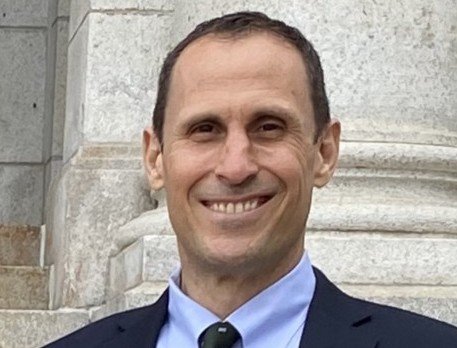
Eric Ortiz lives in the Wedge with his family. He is executive director of the Strong Mind Strong Body Foundation, a national youth and community development nonprofit based in Minneapolis, and associate director of research for The Pivot Fund, a venture philanthropy organization that invests in community newsrooms serving underserved communities.



Comments
No comments on this item Please log in to comment by clicking here