
Schools talk about preparing students for the real world. But learning often gets stuck in worksheets, test prep, and abstract concepts. Knowledge is delivered without ever asking students to act.
This fall at Ella Baker School in Minneapolis, a group of middle school students showed a different way forward.
In an 11-week elective called Food Justice Knowledge to Action, students didn’t just learn about food systems, science, or civic engagement. They practiced what it looks like when learning becomes responsibility. To the land, our communities, and one another.
The class met once a week, but its impact traveled far beyond the classroom. Students studied food access, climate, culture, and health. They learned about Ron Finley, who challenged laws in South Central Los Angeles to allow food gardens in neighborhood parkways (those dirt patches in front of houses between the street, curb, and sidewalk) and won.
They asked hard questions about who has access to fresh food and who doesn’t.
They created art using plant-based dyes made from marigolds, mulberries, and Concord grapes.
They grew microgreens indoors, brewed herbal teas in winter, and interviewed community food leaders reshaping local systems.
These activities weren’t disconnected exercises. They showed how systems intersect. How science, policy, culture, and power shape what ends up on a plate.
Students began to see that food justice isn’t a single issue. It’s a web of decisions, histories, and values unfolding daily.
And then they told the story.
Together, students produced Food Justice News, a 24-page print and digital magazine. Inside were articles, illustrations, and information on food shelves and free food access in Minneapolis, reflections on school lunches, reporting on cultural food traditions, garden project ideas, and action plans for food sharing.
Students also created a community newspaper and zines featuring food news, art, and information about food resources and how to make food systems more just.
Their work reached more than 500 students at Ella Baker and was shared across the Minneapolis Public School District.
This class wasn’t a simulation. It was hands-on learning, art, and journalism, created for a community audience, documenting local conditions and offering solutions.
This is education innovation, grounded in real life. It is interdisciplinary learning that encourages students to create the kind of communities they want.
Art wasn’t an "extra." Journalism wasn’t an afterthought. Gardening wasn't an add-on. All were essential tools to understand science, history, and civic responsibility.
When students painted with plant dyes, they weren’t just making art. They were asking: What is our relationship to land, food, and culture?
When they met with food leaders, they weren’t just learning how to grow food. They were learning how change happens, who holds power, and how communities organize to meet their own needs.
Then the world shifted.
As Immigration and Customs Enforcement (ICE) activity impacted Minneapolis, some students stayed home with their families for safety. The class adapted.
Students recognized that food justice wasn’t theoretical anymore. Without school lunches or work, families needed food. And not just any food. They needed it to be familiar, comforting, and healthy.
For many students, this was the moment when learning and life collided. Lessons about access, fairness, and community care now had faces: classmates, neighbors, family members. The classroom became a place to process events and imagine collective responsibility.
So students created an action plan.
They designed a food-sharing initiative to support families staying home, planned fundraising efforts, and identified culturally appropriate, healthy foods their friends would want to eat.
"Fresh foods feed the heart" guided their planning. That understanding didn’t come from a textbook. It came from lived experience and a classroom that made space for it.
The final class celebration included community partners, local leaders, and a pedal-powered bike blender that turned student energy into smoothies. It was joyful learning, powered by students.
What made this class work wasn’t a flashy curriculum or new technology. It was human connection and a radical idea: Knowledge should move. It should move students to question, care, and act.
When schools combine science with storytelling, art with action, and learning with community responsibility, students don’t just absorb information.
They practice being responsible citizens.
This is an education model that can work with any subject in any community.
At a time when young people are often called disengaged, this class showed what's possible. Give students meaningful work connected to real life, and they will rise to the challenge.
Education doesn’t need more buzzwords. It needs more spaces where knowledge can become action. And students are trusted to lead the way.
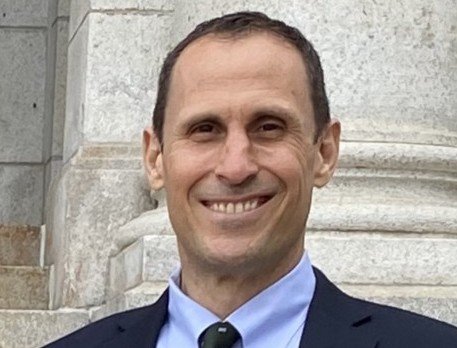
Eric Ortiz lives in the Wedge with his family. He is executive director of the Strong Mind Strong Body Foundation, a national youth and community development nonprofit based in Minneapolis, and associate director of research for The Pivot Fund, a venture philanthropy organization that invests in community newsrooms serving underserved communities.



Comments
No comments on this item Please log in to comment by clicking here