
Our city was shaken by an unthinkable tragedy on Aug. 27. Two children, 8-year-old Fletcher Merkel and 10-year-old Harper Moyski, were killed in a shooting at Annunciation Catholic Church in south Minneapolis, and 21 others were wounded. Their lives were stolen before they could grow up, before they could share the full promise of their voices with the world.
This kind of violence tears at the fabric of our community. It leaves families devastated, neighbors in grief, and all of us searching for answers.
Yet even in moments of deep pain, we have a choice. Do we let despair define us, or do we come together to shape a future where our young people can live, thrive, and lead?
The answer lies with the youth themselves.
Too often, we underestimate young people. We assume their age makes their perspectives incomplete, or that they need to wait their turn before they can contribute.
But when we listen, we find that young people have clarity, courage, and vision. They see the problems we face: gun violence, inequity, distrust, division. And they imagine solutions that many adults overlook.
That is the spirit behind the Youth Community Journalism Institute at the Strong Mind Strong Body Foundation. Its mission: empower young voices to inform, inspire, and lead.
Through the program, kids in Minneapolis are learning how to tell stories that matter.
They are reporting on their neighborhoods, creating podcasts and videos, writing articles, designing magazines, hosting live events, conducting research, and amplifying the voices of their peers.
In doing so, they are showing us not just what’s wrong, but what’s possible.
Journalism is about more than facts. It is about building trust. At its best, it helps communities see themselves more clearly, share solutions, and connect across differences. When young people take on this role, the impact is powerful.
In this summer's youth microinternship program, 21 participants ages 8 to 17 reported from Minneapolis streets, interviewed community leaders, and produced a live television news show. They didn’t just cover issues. They asked hard questions about justice, safety, health, and opportunity. And they offered ideas for change.
One group of students proposed creating safe community spaces run by youth, where kids could gather after school for mentorship, media making, and healing conversations. Another group wants to highlight the voices of families most affected by violence, ensuring their stories are heard and not forgotten.
"Can we do more?" a 14-year-old freshman asked.
This is what happens when we treat youth as active architects of solutions, not passive recipients of adult decisions.
The shooting at Annunciation is a reminder of how fragile life is and how urgent it is to act. Gun violence is not abstract. It is a lived reality for too many families.
Moving forward means we cannot only create policies from the top down. We must listen from the ground up.
That means including youth in the conversations about safety, justice, and healing. It means inviting their ideas into city halls, schools, churches, and media outlets. And it means giving them the support, training, and platforms to turn their ideas into action.
At the Strong Mind Strong Body Foundation, this work is part of a larger movement to make journalism a public good. By teaching kids how to investigate, report, and tell stories, we can build a pipeline of community-centered leaders who can carry Minneapolis, and our country, into a more just future.
We cannot bring back the children we lost. Their absence is an open wound. But we can honor their memory by making sure no more lives are lost in vain.
That starts with listening to youth. Ask them what they need to feel safe in school. Ask them what justice looks like in their neighborhoods. Ask them what gives them hope. And what makes them afraid.
Then, act on what they say.
Adults have resources, experience, and networks. Young people have vision, creativity, and urgency. Together, we can create solutions that are both practical and transformative.
The Youth Community Journalism Institute is committed to this work. But we cannot do it alone. We need parents, teachers, faith leaders, policymakers, and neighbors to join us in lifting up youth voices. Businesses and funders must invest in programs that put young people at the center. And we need all of us, as a community, to recognize that the wisdom we are searching for is already here. In the voices of our youth.
Minneapolis has faced challenges before, and we will face more in the years to come. But our path forward does not have to be defined by violence or despair. It can be defined by the hope and determination of young leaders who believe a better world is possible.
The question is: Will we listen?
Because youth are not just the voices we need for tomorrow. They are the voices we need right now.
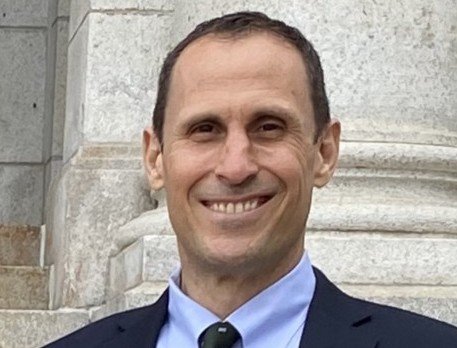
Eric Ortiz lives in the Wedge with his family. He is executive director of the Strong Mind Strong Body Foundation, a national youth and community development nonprofit based in Minneapolis, and associate director of research for The Pivot Fund, a venture philanthropy organization that invests in community newsrooms serving underserved communities.



Comments
No comments on this item Please log in to comment by clicking here