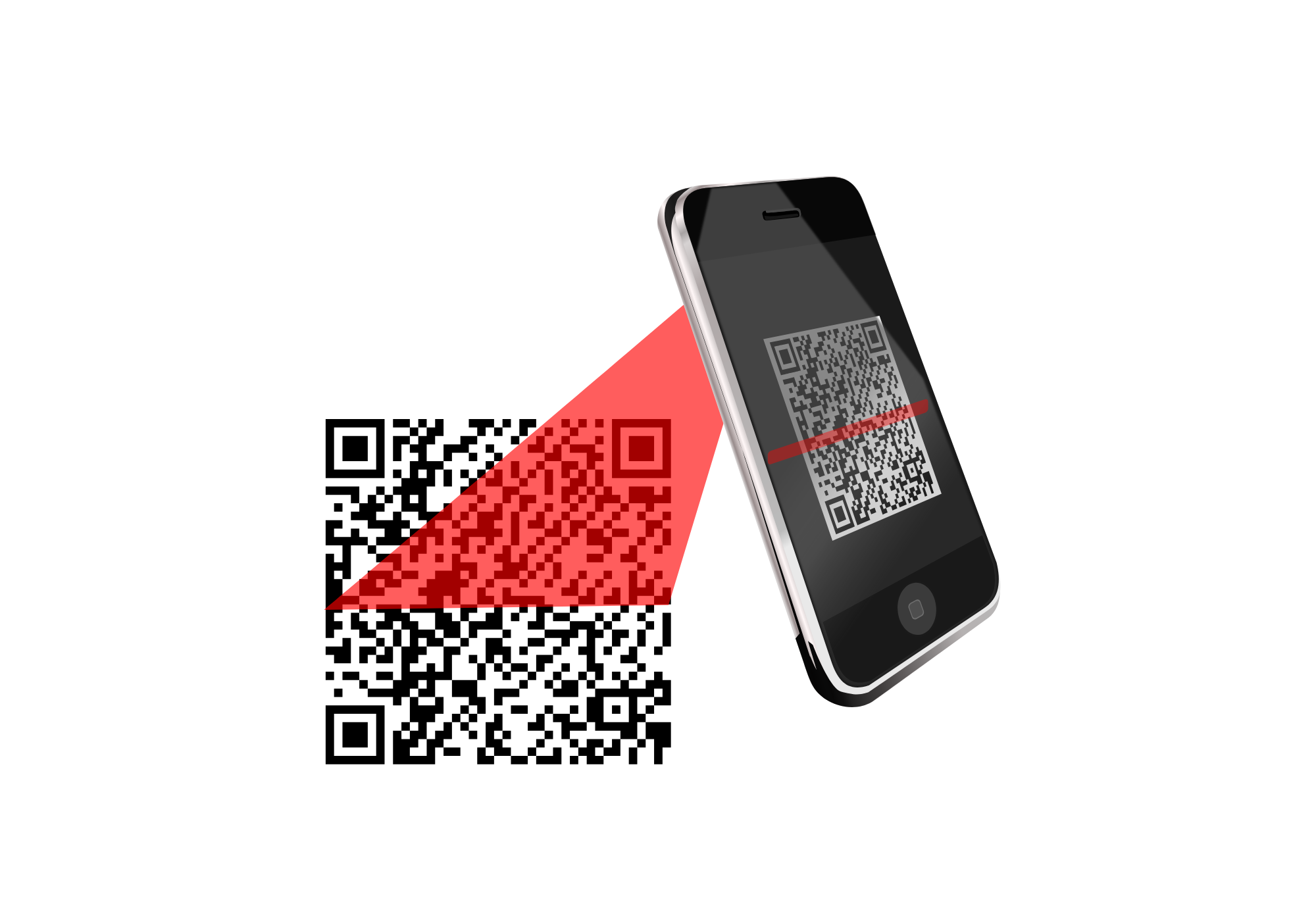
As Minnesotans look for ways to support families impacted by ICE, the family of Renee Good, and other mutual aid efforts, people are also looking to defraud those more focused on generosity.
“When there's suddenly a big moment where everybody's thinking about giving a little money, giving a little time, then it becomes more of a target rich environment,” Ian Buck, a Minneapolis Public Schools cybersecurity teacher, said.
The two most common ways that people are currently trying to defraud donors is through QR codes and fake fundraisers.
When people are trying to access a link via a QR code, it's always a good idea to double check what the actual link is, according to Buck. As people look for places to donate money, QR codes can send people to fake GoFundMe or phishing sites, so utilizing online literacy skills is a must.
Most QR codes will show a link preview which can give you a starting point of where the link is taking you to. But once you land on a donation site, the fraud can still linger.
When donating to GoFundMe and similar donation-based campaigns, taking a moment to practice critical thinking skills is important.
“People need to do some lateral reading in order to figure out who else is talking about this particular GoFundMe campaign,” Buck said. “What sources have actually vetted that this is the person who they say they are?”
Donors need to vet the people who are running the donation campaigns to make sure the campaigns are trustworthy. People can start by searching for the campaign online and seeing what other websites and social media accounts are mentioning the fundraiser.
“Each person is going to have their own threshold of comfort,” Buck said. “How many trusted sources do I need to see before I'm convinced?”
Hyperlocal mutual aid campaigns have been increasingly common since the George Floyd unrest in the Twin Cities and can include individual people collecting money for others through Venmo, PayPal, and CashApp.
While these campaigns may seem less official than a GoFundMe campaign, they are often necessary to get money into the hands of people who need it quickly. Smaller campaigns aren’t necessarily a sign of a scam.
“It's a microcosm of the broader conversation around fraud in government programs,” Buck said. “What systems has the government been utilizing to verify that their money is going to where they think it's going to go? When we're doing direct mutual aid we're asking every individual person to do that work on their own.”
A GoFundMe campaign set up for Renee Good’s family was closed on Friday after raising more than $1.5 million with a goal of raising $50,000.
.jpg)


