By Willow Overcash, sophmore at Blake School
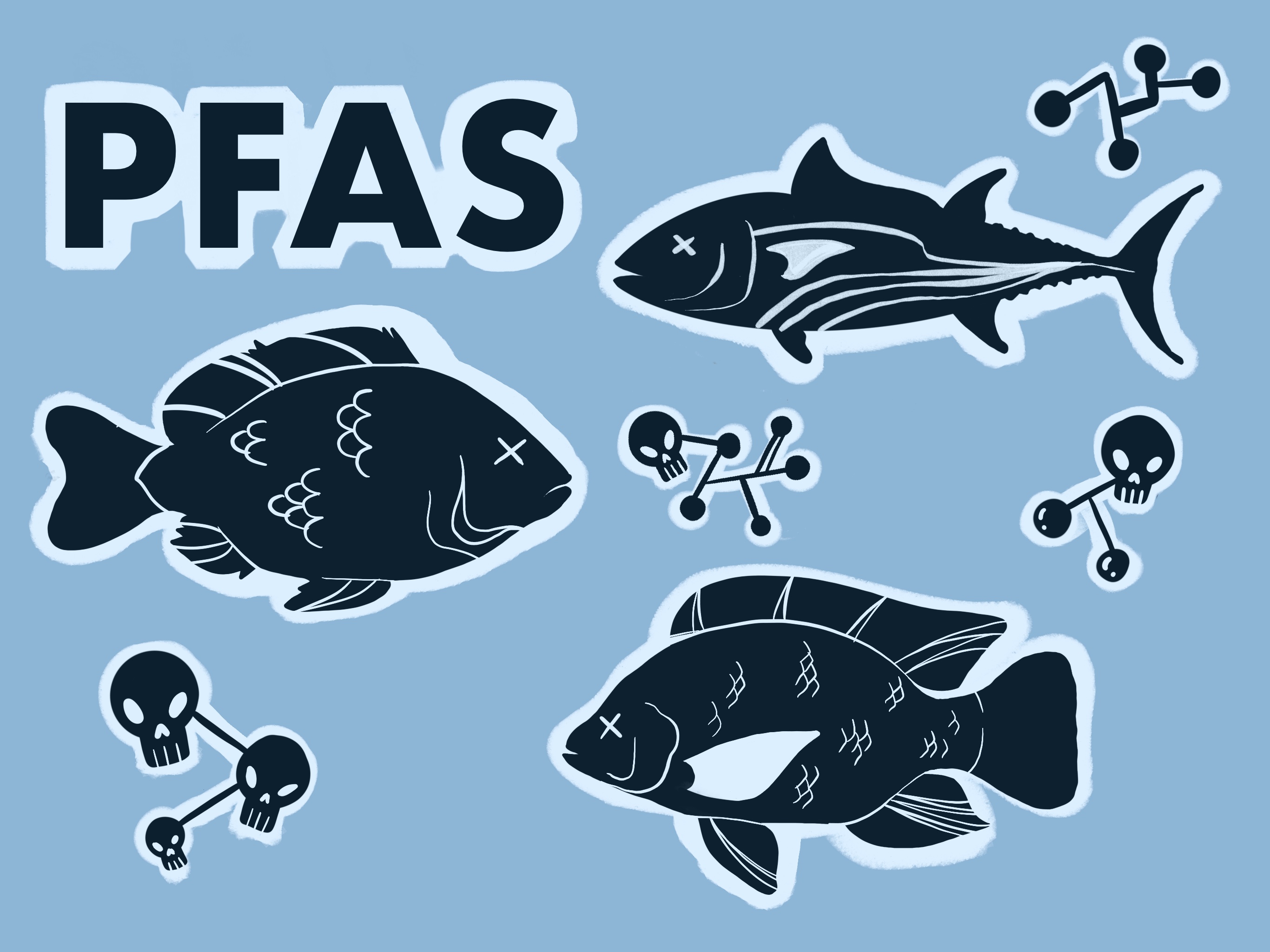
Polyfluoroalkyl substances (PFAS), or forever chemicals, are the silent but deadly cousin to microplastics. PFAS are a group of toxic chemicals that do not break down in the environment. According to the United States Environmental Protection Agency, overexposure to PFAS causes several types of cancer, developmental issues in children, and a weakened immune system. PFAS, since the 1950s, had grown to be used in over 9,000 different products, which contaminated Minnesota surface water, groundwater, soil, fish, and drinking systems.
The Twin Cities area is especially vulnerable and has one of the largest PFAS plumes because of companies like 3M, that manufactured products containing PFAS and disposed of waste into sites that polluted the groundwater. The Minnesota Center for Environmental Advocacy states, “the Minneapolis chain of lakes (including Bde Maka Ska and Lake Harriet) as well as more than 40 other lakes…have fish consumption advisories due to PFAS contamination.”
Minnesota communities need to be protected from these pollutants because they went unregulated for far too long. Amara’s Law was implemented just this year in Minnesota, banning PFAS in 11 different types of products. Amara was a Minnesotan PFAS activist who passed away in 2023 from cancer caused by her PFAS exposure. While we are seeing more legislation being made, PFAS hasn’t disappeared. Minnesotans should start to make informed purchases, stay updated, and advocate to policymakers. Lastly, an effective and easy method for helping others is to spread awareness, lives can be saved if action and education is encouraged.
Visit the Minnesota Pollution Control website for more information on fish contamination in our lakes.
.jpg)